
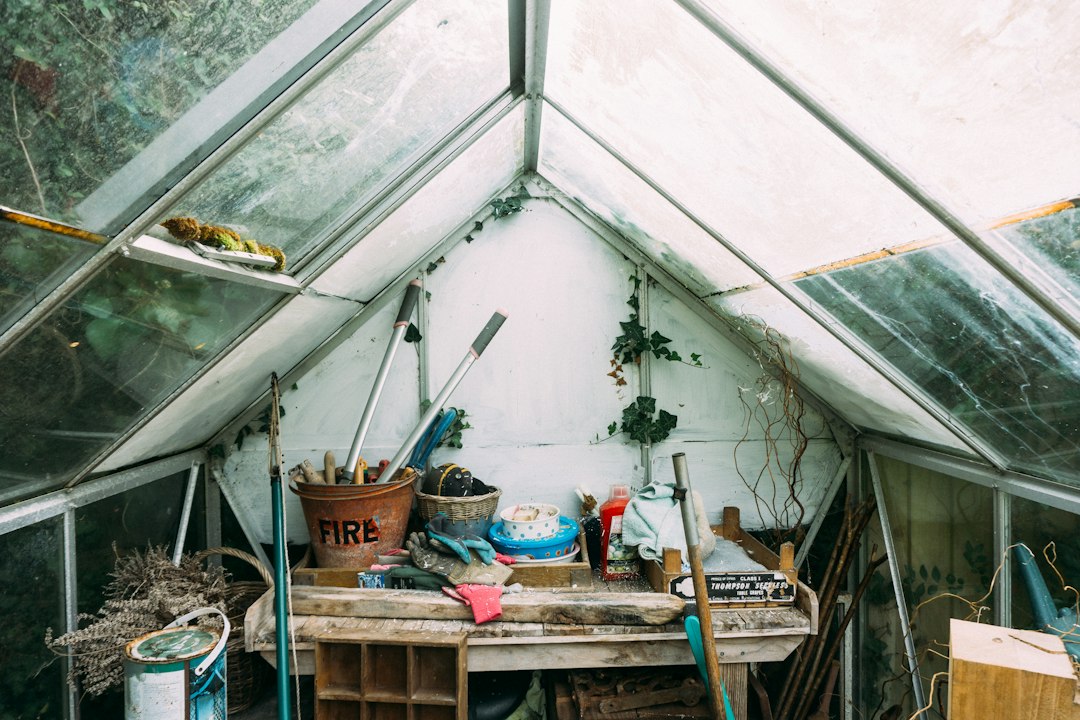
A dedicated gardening workspace can make everyday outdoor tasks more organised, comfortable, and enjoyable. From preparing compost and filling containers to storing tools and raising young plants, a well-planned potting shed provides a practical area for activities that might otherwise take place in a crowded garden corner. Exploring the options at Greenhouse Stores can help gardeners find potting shed designs that suit their available space, working habits, and storage requirements. With the right layout, a potting shed can become an important part of an efficient garden www.greenhousestores.co.uk.
Create a Dedicated Gardening Workspace
Potting sheds are designed to provide a sheltered place for regular gardening activities. Unlike a basic storage shed, a potting shed often includes features that make plant preparation and maintenance easier. A suitable workbench offers space for filling pots, mixing growing materials, preparing seed trays, and organising small gardening projects.
Having a designated workspace also helps keep soil, compost, and gardening equipment separate from household areas. Gardeners can leave frequently used items within easy reach rather than repeatedly carrying them between different storage locations.
When selecting a design, consider how much working space is required and whether the shed will mainly be used for potting, propagation, storage, or a combination of activities.
Choose the Right Potting Shed Size
Available garden space should guide the choice of potting shed dimensions. A compact design may be suitable for smaller gardens where storage and a basic work surface are the main priorities. Larger structures can provide additional room for shelves, tools, containers, and more extensive gardening tasks.
Measure the intended installation area carefully before making a decision. Remember to account for door access, surrounding plants, paths, and enough clearance to work comfortably around the building.
Internal dimensions are just as important as external measurements. A shed may appear spacious from outside but offer limited usable room once shelving, benches, and stored equipment are added.
Consider Materials and Construction
Potting sheds are commonly available in timber designs, offering a traditional appearance that complements many garden settings. Wood can also provide flexibility when arranging internal shelves or work surfaces, although it requires appropriate care to protect it from moisture and outdoor exposure.
The quality of construction, roof design, floor arrangement, and door fittings should all be considered. Look for a structure that suits the intended use and local weather conditions.
A stable, level base is essential for supporting the shed properly. Good site preparation can help prevent movement, uneven doors, and problems with the building’s overall alignment.
Make the Most of Natural Light
Good lighting is important when sowing seeds, inspecting seedlings, and carrying out detailed potting work. Windows or glazed sections can introduce natural daylight, making the interior more pleasant and reducing the need for artificial lighting during daytime activities.
The position of the shed also influences how much light enters. Consider nearby trees, fences, walls, and other structures that may create shade.
Ventilation is equally important. Opening windows or suitable ventilation points can help reduce condensation and allow fresh air to circulate, particularly when damp compost, plants, and watering equipment are kept inside.
Organise Tools and Gardening Supplies
An organised potting shed saves time and helps maintain a cleaner working environment. Shelves can hold pots, seed trays, labels, and smaller containers, while hooks and racks provide convenient storage for hand tools.
A sturdy workbench should offer enough room for common tasks without obstructing movement. Keep frequently used materials close to the working area and store heavier items safely at lower levels.
Separate storage for compost, fertilisers, and other gardening supplies can also make the space easier to manage. Always follow product storage instructions and keep unsuitable materials away from children and pets.
Plan for Everyday Comfort and Maintenance
A potting shed should be practical throughout the gardening year. Check that doors open easily, windows function correctly, and the roof provides suitable protection from rain. Regularly inspect timber surfaces, hinges, fasteners, and other fittings for signs of wear.
Keep pathways around the structure clear and ensure rainwater can drain away from its base. Simple maintenance helps preserve the building and keeps the workspace ready for regular use.
Build a More Practical Gardening Space
A thoughtfully selected potting shed offers more than additional storage. It provides a dedicated place to prepare plants, organise equipment, and enjoy gardening activities in greater comfort. By considering size, materials, lighting, ventilation, and internal layout, gardeners can create a useful outdoor workspace that supports their gardening routines throughout the seasons.
What You Need to Know
- A potting shed provides a dedicated and organized workspace for various gardening activities, making tasks more enjoyable.
- Choosing the right size for a potting shed should be based on available garden space and the primary activities planned for it.
- Timber is a common material for potting sheds, offering flexibility in design but requiring maintenance to protect against moisture.
- Natural light is important in a potting shed and can be maximized through windows or glazed sections, while proper ventilation helps manage humidity.
- An organized potting shed, with designated storage for tools and supplies, enhances efficiency and helps maintain a clean working environment.
- Regular maintenance of the potting shed, including checking doors, windows, and overall structure, is essential for long-term functionality.