
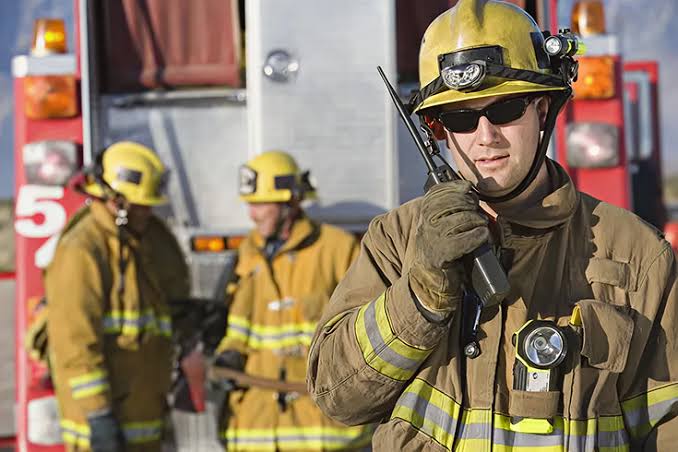
Every year, thousands of fires break out across commercial and residential construction sites in the United States—many of which are entirely preventable. When automatic suppression systems fail, go offline for maintenance, or simply haven’t been installed yet, the risk of catastrophic loss skyrockets. That’s exactly where fire watch guards near me searches spike: property owners and contractors recognize the gap in their safety net and act quickly to close it. Understanding what fire watch services actually involve, and why the data strongly supports their use, can help you make a smarter, faster decision when it matters most.
What Does a Fire Watch Guard Actually Do?
A fire watch guard is a trained safety professional deployed to monitor a property for fire hazards when standard detection or suppression systems are unavailable. Their responsibilities include continuous patrols, logging observations, identifying ignition risks, and coordinating with emergency services if a fire is detected.
According to the National Fire Protection Association (NFPA), NFPA 601 and NFPA 101 both outline specific requirements for fire watch personnel, including mandatory patrol intervals and documentation standards. These aren’t optional guidelines—many jurisdictions require certified fire watch coverage as a legal condition of maintaining operations during system outages.
How Common Are Fire Watch Situations?
More common than most people expect. Fire suppression systems require periodic maintenance, testing, and repair. During those windows—sometimes lasting hours, sometimes days—a building is effectively operating without its primary line of defense.
The U.S. Fire Administration reports that structure fires cause an estimated $14.8 billion in property damage annually. A significant portion of those losses occur in buildings where detection or suppression systems were either offline or malfunctioning. Fire watch services exist precisely to bridge that exposure gap.
Construction sites face compounding risks. Hot work activities like welding, cutting, and grinding generate sparks in environments where flammable materials are abundant. OSHA and local fire codes typically mandate a fire watch presence during and after hot work—often for a minimum of 30 to 60 minutes following the completion of any hot work task.
What Qualifications Should a Fire Watch Guard Have?
Not every security guard is qualified to perform fire watch duties. Effective fire watch personnel should hold:
State-issued fire watch certification (requirements vary by state)
OSHA 10 or OSHA 30 training, depending on the job site
CPR and first aid certification
Documented experience with fire hazard identification and emergency protocols
When evaluating providers, ask for proof of training credentials and insurance. A reputable fire watch company will provide documentation without hesitation. Guards should also be equipped with two-way communication devices, fire extinguishers, and detailed patrol logs that satisfy local fire marshal requirements.
Industries That Rely Most Heavily on Fire Watch Services
While construction sites represent the most visible use case, fire watch guards serve a broad range of industries:
Healthcare facilities, where suppression systems may be taken offline during renovations without interrupting patient care
Industrial and manufacturing plants, especially those involving chemical storage or high-temperature processes
Event venues and hotels, during temporary power or system failures
Data centers, where fire suppression maintenance demands strict safety protocols
How to Choose the Right Fire Watch Provider
Speed and reliability are the two factors that matter most when selecting a fire watch service. System failures don’t follow a schedule—your provider needs to respond around the clock.
Look for companies that offer 24/7 dispatch, maintain a roster of pre-vetted certified guards, and carry general liability insurance with adequate coverage limits. Client references from similar industries add another layer of confidence.
Pricing typically runs between $20 and $60 per hour per guard, depending on your location, site complexity, and contract duration. Multi-day or multi-guard deployments often qualify for negotiated rates.
Protect Your Property Before a Problem Becomes a Disaster
The cost of a certified fire watch guard is a fraction of what a single preventable fire can cost in property damage, liability exposure, and business interruption. Whether you’re managing a construction project, overseeing a facility renovation, or responding to an unexpected suppression system failure, professional fire watch services provide the human oversight that technology alone cannot replace. Act before the gap in your coverage becomes a crisis.