
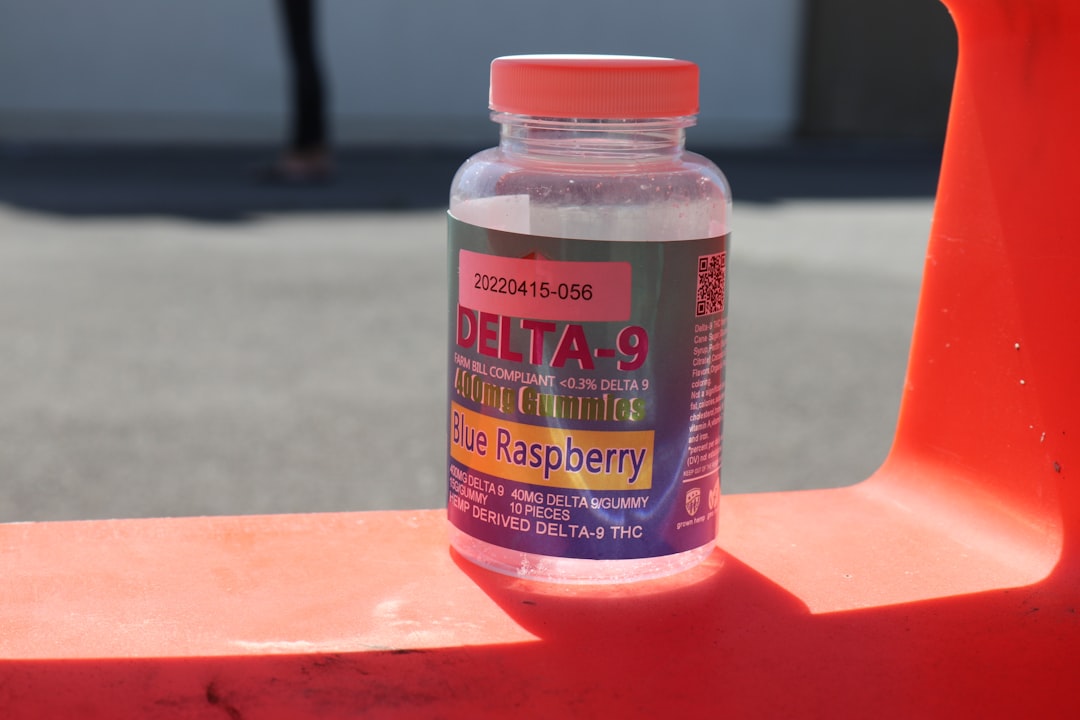
Premium quality comes down to pure ingredients, cannabinoid amounts measured with real precision, and a level of manufacturing discipline that budget producers seldom bother maintaining. One impressive feature on its own proves nothing, since the difference accumulates through choices made across the whole production run.
People who have spent time comparing Delta 9 gummies from several makers tend to notice where the gap opens, and more often than not, the label gives it away first. A careful producer names each ingredient and gives its purpose a line of explanation, whereas the vaguer sort of labelling leaves buyers wondering what a given piece actually holds. Consistency carries similar weight here, given that a piece pulled from one jar ought to match the strength of a piece pulled from another jar made months later, something achievable only where equipment gets calibrated on schedule and trained staff stay involved in the process.
How does sourcing matter?
Where the hemp grows determines cannabinoid content, trace compound purity, and whether batches stay steady from one run to the next. Producers who take this seriously can name the farms behind their material and show written records of the cultivation itself. Soil rewards a closer look than it usually receives, given how readily hemp absorbs whatever surrounds its root system. This means ground that has been tested and kept clean yields an extract of a different character altogether. Brands worth trusting tend to work alongside growers who farm organically or near enough to it, and who leave plants in the field until they reach genuine maturity instead of harvesting early for volume. Suppliers blending crops from fields nobody can verify introduce a variation into their batches that no later processing can hide, and extraction sits right behind sourcing in importance, because a careful method preserves the full cannabinoid profile while leaving nothing behind that should not be there.
Laboratory verification standards
Independent testing separates the two tiers more cleanly than anything else in this discussion. Premium brands route every single batch through a third-party laboratory, then make whatever comes back available for the public to read at will.
- Potency stated on the label lines up with the number the laboratory measured.
- Screening for pesticides and heavy metals came back within clean thresholds.
- Solvent traces left over from the extraction remain inside the accepted boundaries.
- Nothing microbial appeared anywhere in the finished product sample.
Operations running on thinner margins test now and again, or forward along a certificate their raw material supplier provided months earlier.
Craftsmanship in formulation
Skill announces itself in the finished piece once a person knows what deserves attention. A properly developed recipe balances its pectin or gelatin base so that each gummy chew smooths, keeps its shape through shipping and handling, and resists going grainy or welding itself to the wrapper. Blending demands the same care, seeing as an unevenly mixed batch sends out pieces of scattered and unpredictable strength. An ingredient list read slowly reveals a good deal on its own. Recipes built from a short run of recognisable components usually reflect genuine thought, while a crowded roster of preservatives and colouring agents hints that savings were pursued in places better left alone.
Weighing the premium against the standard eventually returns to evidence that a buyer can hold and examine. Transparent labels, hemp with a documented origin, published laboratory results, and craftsmanship that repeats itself batch after batch make up a framework sturdy enough to rely on, and what the report and label reveal together will outlast any impression the packaging creates.